How Much Water to Drink for Healthy Blood Pressure: Cardiologists' Advice
Medical experts explain how hydration affects blood pressure and share daily water intake guidelines for men and women.
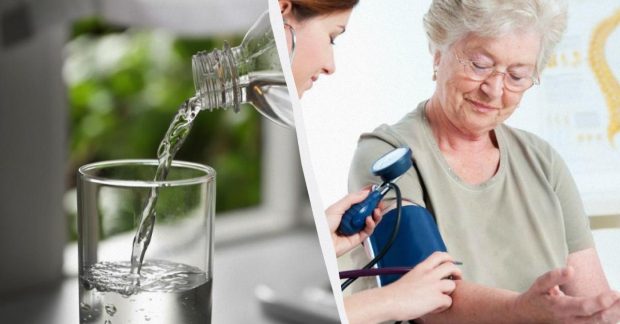 🩺Health
Photo: UNIAN
Key points
- Recommended daily water intake is roughly 2.1 liters for women and 3.1 liters for men.
- Dehydration can either drop blood pressure via lower blood volume or raise it through vessel constriction.
- Excessive fluid intake can create risks for individuals with specific chronic conditions.
- Hydration works best alongside a healthy diet, low sodium intake, and regular exercise.
Maintaining normal blood pressure is a priority for many individuals seeking to protect their cardiovascular health. Yet, few realize that simple drinking water plays a crucial role in regulating blood pressure levels. Recently, a group of medical experts and cardiologists shared insights into how fluid intake impacts the circulatory system and why both dehydration and overhydration can cause unexpected physiological reactions.
Recommended Intake and Body Response
According to specialists, women are generally advised to consume about 2.1 liters of water per day (roughly 9 cups), while men should aim for approximately 3.1 liters (about 13 cups). However, experts emphasize that individual requirements may vary based on activity levels, environment, and overall health status.
As vascular surgeon Dr. William Schutze explains, when the body is dehydrated, total blood volume decreases. This reduction can lead to lower blood pressure, frequently causing dizziness upon standing up. Conversely, Dr. Ethan Korngold notes that the body responds to fluid shortages by releasing vasopressin, a hormone that retains water and constricts blood vessels, ultimately causing blood pressure to rise.
The Risks of Excessive Fluid Intake
While proper hydration is essential, overindulging in water is not necessarily beneficial. Studies indicate that doubling daily water consumption can slightly increase blood pressure due to an expanded blood volume. While generally harmless for most people, excessive fluid can pose risks for older adults and individuals with heart failure, kidney disease, or liver conditions.
Cardiologist Dr. Tisa Saha stresses that staying hydrated is a helpful habit, but it does not replace core health measures. Maintaining healthy blood pressure also requires reducing sodium intake, engaging in regular physical activity, managing weight, and taking prescribed medications.
Source UNIAN — unian.ua/health/shcho-bude-yakshcho-piti-duzhe-malo-vodi-kardiologi… ↗
Read next
 🛡️Security
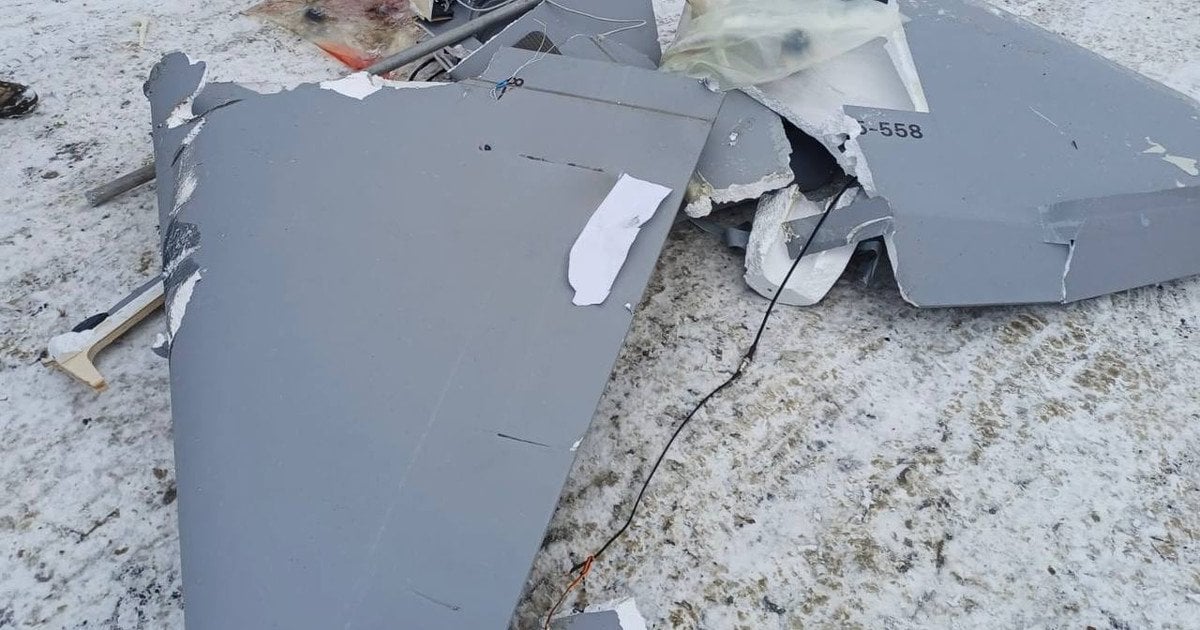
Albania Officially Denies Involvement in Drone Attack on Russian Corvette in Libya
The Ministry of Foreign Affairs of Albania has categorically rejected accusations that its territory was used to launch drones against a Russian naval vessel.
 🧠AI Analysis
Nighttime UAV Attack on Kyiv: Falling Debris Causes Fires and Infrastructure Damage
A hostile drone attack on Kyiv resulted in falling debris across three districts of the capital, setting cars on fire with reports of casualties.
 🧠AI Analysis
Experts Warn of NATO Vulnerabilities Against Potential Aerial Warfare
Former US General Ben Hodges has expressed concern over NATO's readiness for a potential air war with Russia, highlighting critical shortages in air defense ammunition.
 🎓Education
How to Choose a Live Christmas Tree for Winter Holidays: Expert Tips and Legality Checks
Experts shared recommendations on choosing a fresh Christmas tree, assessing its condition, and verifying its legal origin through official online services.
 🇺🇦Ukraine
Energy Blow: Last Major Refinery in Southern Russia Halts Operations
A massive 6-hour drone strike disabled the Novoshakhtinsk refinery, contributing to a 45% collapse in Russian oil processing this month.
 🧠AI Analysis
EU Protests to Russia Over Damage to Diplomatic Missions in Kyiv
The European External Action Service summoned a Russian diplomat to protest the damage to EU member states' embassies in Kyiv resulting from Russian attacks.