Energy Blow: Last Major Refinery in Southern Russia Halts Operations
A massive 6-hour drone strike disabled the Novoshakhtinsk refinery, contributing to a 45% collapse in Russian oil processing this month.
 🇺🇦Ukraine
Photo: UNIAN
Key points
- Novoshakhtinsk refinery halted after an 80-drone attack lasting 6 hours.
- Russian oil refining capacity has dropped by 45% in November.
- Domestic gasoline production in Russia now meets only 60-65% of demand.
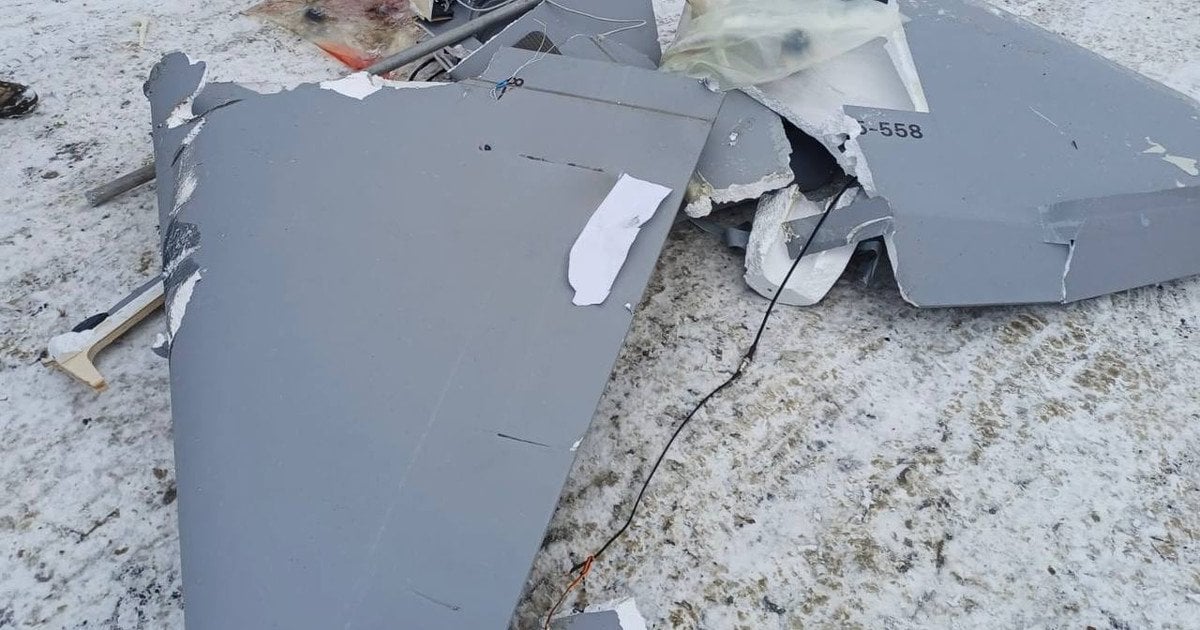
Ukrainian drone strikes on Russian energy infrastructure have reached a new milestone of disruption. Overnight, the Novoshakhtinsk Oil Products Plant in the Rostov region suspended operations following a prolonged aerial assault. This facility was the last major refinery in southern Russia still operational after a wave of attacks throughout November targeted the aggressor's fuel sector.
Scale of the Strike and Technical Impact
Local authorities in the Rostov region reported that the attack lasted over six hours and involved approximately 80 unmanned aerial vehicles. The Novoshakhtinsk plant, with a design capacity of 100,000 barrels per day, had already been operating at reduced levels—about 70% of its maximum. The total halt of production effectively paralyzes fuel supplies in a region critical for military logistics bordering occupied Ukrainian territories.
The situation in southern Russia is becoming increasingly dire for the Kremlin's logistics. The Tuapse refinery has been offline since May, while the Afipsky and Ilsky plants in the Krasnodar region have lost about half of their capacities. Consequently, the supply chain for Russian forces in southern Ukraine is becoming significantly longer and more fragile.
Systemic Crisis in Russian Refining
In the first three weeks of November alone, Russian oil refining volumes plummeted by 45%. This is the result of strikes on at least 16 refineries across the country. Beyond the southern facilities, major plants in Nizhny Novgorod, Yaroslavl, and Ryazan have suffered substantial damage. Even the Omsk refinery, Russia's largest, lost half of its processing capacity following recent strikes.
Analysts estimate that current Russian refining output has dropped to 2.7 million barrels per day, well below summer lows. Domestic production now covers only 60-65% of Russia's gasoline demand. Even with potential imports, the fuel deficit could reach 30%, inevitably leading to price spikes and supply disruptions for both civilian and military sectors.
Source UNIAN — unian.ua/economics/energetics/novoshahtinskiy-npz-zaznav-udaru-ukra… ↗
Read next
 🧠AI Analysis
Nighttime UAV Attack on Kyiv: Falling Debris Causes Fires and Infrastructure Damage
A hostile drone attack on Kyiv resulted in falling debris across three districts of the capital, setting cars on fire with reports of casualties.
 🧠AI Analysis
Experts Warn of NATO Vulnerabilities Against Potential Aerial Warfare
Former US General Ben Hodges has expressed concern over NATO's readiness for a potential air war with Russia, highlighting critical shortages in air defense ammunition.
 🩺Health
Tuberculosis Outbreak in Schools: Public Health Center Confirms Cases Among Children
An outbreak of tuberculosis has been recorded in Cherkasy, affecting 23 children across 10 educational institutions. Health authorities are conducting epidemiological inv…
 🎓Education
How to Choose a Live Christmas Tree for Winter Holidays: Expert Tips and Legality Checks
Experts shared recommendations on choosing a fresh Christmas tree, assessing its condition, and verifying its legal origin through official online services.
 🧠AI Analysis
EU Protests to Russia Over Damage to Diplomatic Missions in Kyiv
The European External Action Service summoned a Russian diplomat to protest the damage to EU member states' embassies in Kyiv resulting from Russian attacks.
 🧠AI Analysis
EU Launches Antitrust Investigation into Coca-Cola Bottler Over Price Restrictions
The European Commission is investigating Coca-Cola Europacific Partners for allegedly preventing retailers from sourcing cheaper drinks across EU borders.