EU Launches Antitrust Investigation into Coca-Cola Bottler Over Price Restrictions
The European Commission is investigating Coca-Cola Europacific Partners for allegedly preventing retailers from sourcing cheaper drinks across EU borders.
 🧠AI Analysis
Photo: Ukrainska Pravda
Key points
- EU investigates CCEP for suspected territorial supply restrictions.
- The probe examines if discounts were used to block cross-border trade.
- The case aligns with the EU's goal of a unified pricing market for consumers.
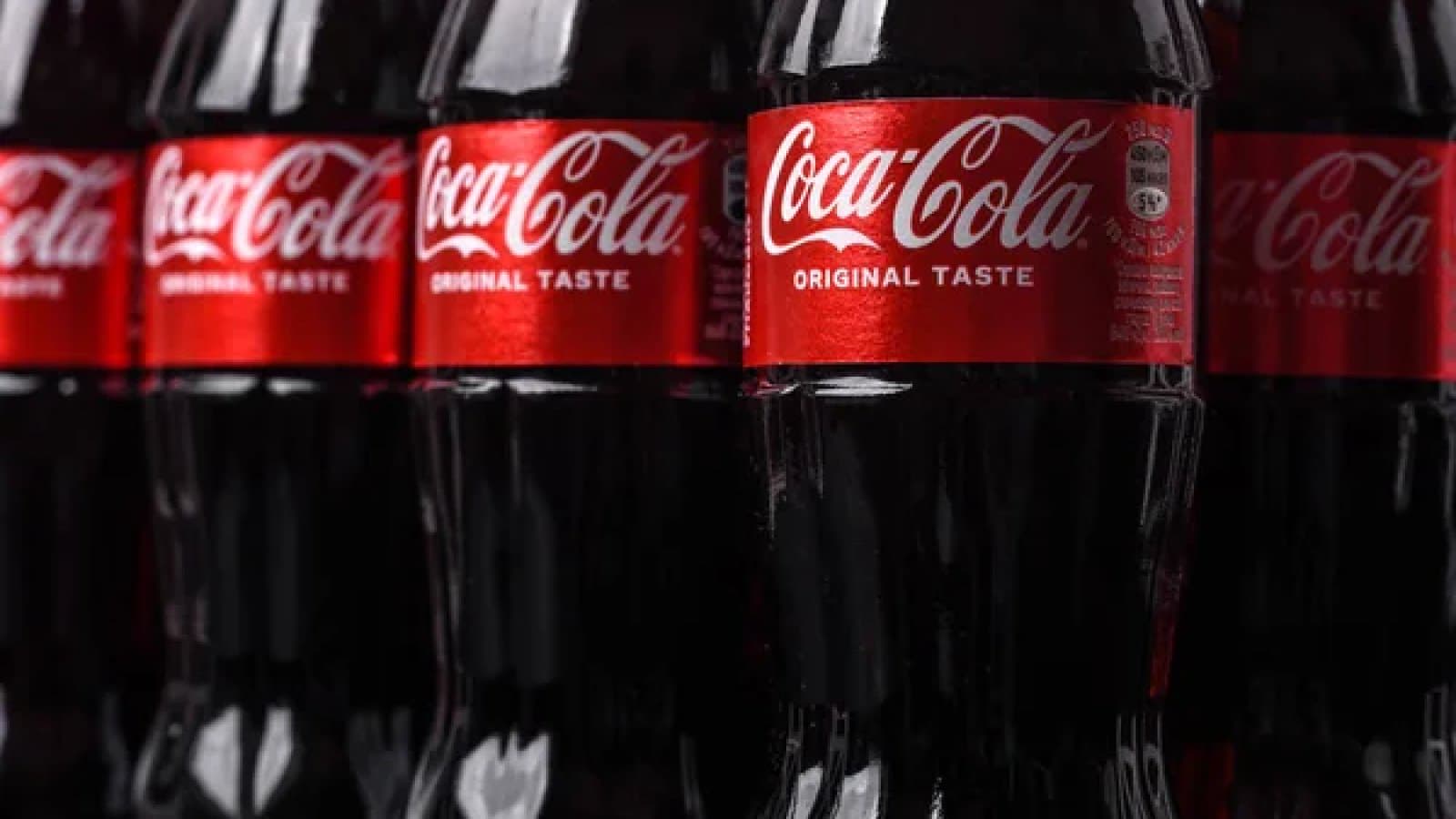
The European Commission has officially opened an antitrust investigation into Coca-Cola Europacific Partners (CCEP). The regulator suspects one of the world's largest bottlers of violating competition rules by creating artificial barriers to free trade within the European Union. The primary allegation is that the company may have prevented major retail chains from purchasing drinks in EU countries where prices are lower.
According to preliminary findings, CCEP reportedly used a system of special discounts for supermarkets and other retailers. However, these financial incentives were granted only on the condition that the retailers would not resell the products to other EU member states. Such a practice effectively deprives consumers of the opportunity to buy goods at the most favorable price by blocking natural market regulation mechanisms.
Market Impact and Consumer Rights
Coca-Cola Europacific Partners, headquartered in the United Kingdom, supplies beverages to countries including Germany, France, Belgium, the Netherlands, Spain, and Sweden. While it is a separate public entity, The Coca-Cola Company holds a 17% stake in the firm. The investigation focuses on the wholesale supply of carbonated and sports drinks to off-trade customers, such as supermarkets and retail outlets.
Teresa Ribera, the European Commission's Vice-President in charge of competition policy, emphasized that citizens should not have to overpay for everyday goods based on their location.
"People across Europe enjoy soft drinks every day. But they should not have to pay more just because they live in one EU country and not another,"she stated. This case is part of the EU's broader strategy to combat territorial supply restrictions.
In parallel with this investigation, discussions regarding the implementation of sugar taxes continue across Europe. For instance, Germany and Italy are preparing legislative changes, although their implementation dates have been repeatedly postponed. These measures, combined with antitrust scrutiny, are creating a new environment for global brands, forcing them to reconsider their pricing policies and distribution strategies worldwide.
Source Ukrainska Pravda — pravda.com.ua/news/2026/11/23/8064210/ ↗
Read next
 🇺🇦Ukraine
Energy Blow: Last Major Refinery in Southern Russia Halts Operations
A massive 6-hour drone strike disabled the Novoshakhtinsk refinery, contributing to a 45% collapse in Russian oil processing this month.
 🛡️Security
Casualties of Russian attacks in October: NATO PA data
In October, Russian shelling killed 534 civilians, including 16 children. The data was released during a NATO Parliamentary Assembly meeting.
 💼Economy
Metallurgy Crisis Threatens Ukrainian City Budgets and Public Finance System
Declining production in Ukraine's mining and metals sector triggers a sharp drop in tax revenues, threatening the financial stability of industrial communities and the en…
 🛡️Security
Russia launched over four thousand reactive drones and hundreds of missiles in October, says Defense Ministry
Ukrainian Defense Minister Yevhen Khmara reported a dramatic surge in aerial attacks, with Russia deploying record numbers of drones and ballistic missiles in October.
 🇺🇦Ukraine
Russia invests billions in Kaliningrad maritime logistics amid NATO tensions
The Russian government has allocated nearly 47 billion rubles for the construction of new rail ferries to connect with the Kaliningrad region.
 🛡️Security
Navy Evaluates Russia’s Ability to Clear Kerch Strait After Bridge Strike
The collapse of the Crimean Bridge arch has blocked a crucial navigation channel. Russia may struggle to lift the heavy wreckage due to a lack of specialized equipment an…