Microplastics Found to Be Chemically Active: New Insights into Health Risks
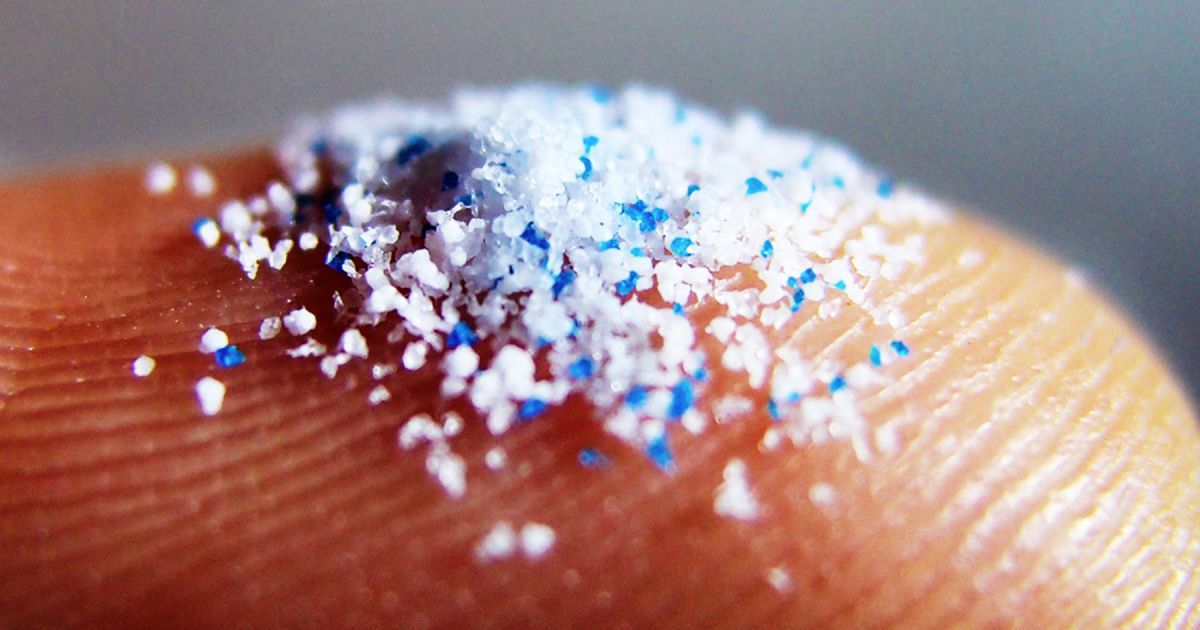
Scientists have discovered that microplastics in water can trigger dangerous chemical reactions capable of damaging living cells.
 🩺Health
Photo: TSN
Key points
- Microplastics in water generate reactive oxygen species
- Cell damage confirmed in laboratory experiments
- Heating plastic increases the risk of releasing hazardous particles
Danger at the Molecular Level
Researchers from Columbia University and the University of California, Berkeley, have found that microplastics are not passive pollutants. When in contact with water, reactive oxygen species form on the surface of plastic particles, which can damage proteins and DNA.
The scientists tested six common types of plastic, including polyethylene and polypropylene. It turned out that these specific materials interact most actively with the aquatic environment, creating conditions for cellular damage, as confirmed by experiments on mouse red blood cells.
Household Risks and Sources of Contamination
- Heating plastic containers in a microwave promotes the release of microparticles.
- Prolonged exposure of plastic bottles to direct sunlight accelerates their degradation.
- Washing synthetic clothing is one of the hidden sources of microplastics entering wastewater.
Although the study was conducted in a laboratory setting, it changes the understanding of plastic pollution. Scientists now view microplastics not just as physical debris, but as active chemical agents that require further investigation to assess long-term risks to human health.
Source TSN — tsn.ua/zdorovya/mikroplastyk-vyiavyvsia-nebezpechnishym-niz-vvazaly-shc… ↗
Read next
 👥Society
Situation on the Dobropillia Front: Enemy Advance Slows Down
Military observer Kostyantyn Mashovets reports a decrease in the intensity of the Russian offensive on Dobropillia and successful containment by the Armed Forces of Ukrai…
 🏙️City
Enemy attack in Dnipro damages electric transport depot and critical infrastructure
An evening strike in Dnipro damaged 18 trolleybuses and a main heating pipeline, affecting heating supply for dozens of homes and social facilities.
 🇺🇦Ukraine
Jared Kushner outlines Trump's conditions for security guarantees for Ukraine
Donald Trump's special envoy Jared Kushner stated that the US could provide Ukraine with security guarantees similar to NATO's Article 5 under specific conditions.
 🎭Culture & Sport
National Guard officer becomes a contestant on 'The Voice of Ukraine-14'
Taras Redziy, an officer of the National Guard, successfully passed the blind auditions on the vocal show, joining Natalia Mohylevska's team.
 👥Society
The Secret to Canned Sardines: Why You Should Not Remove the Bones
Nutritionists explain that the small bones in canned sardines are a primary source of calcium, and removing them significantly reduces the nutritional value of the meal.
 🛡️Security
Crimean Bridge suffers critical damage following successful defense operation
Ukrainian forces have conducted a successful operation, resulting in significant damage to the Crimean Bridge and the loss of its transport functionality.