The Formation of a Geopolitical Axis: Analyzing Emerging Security Threats
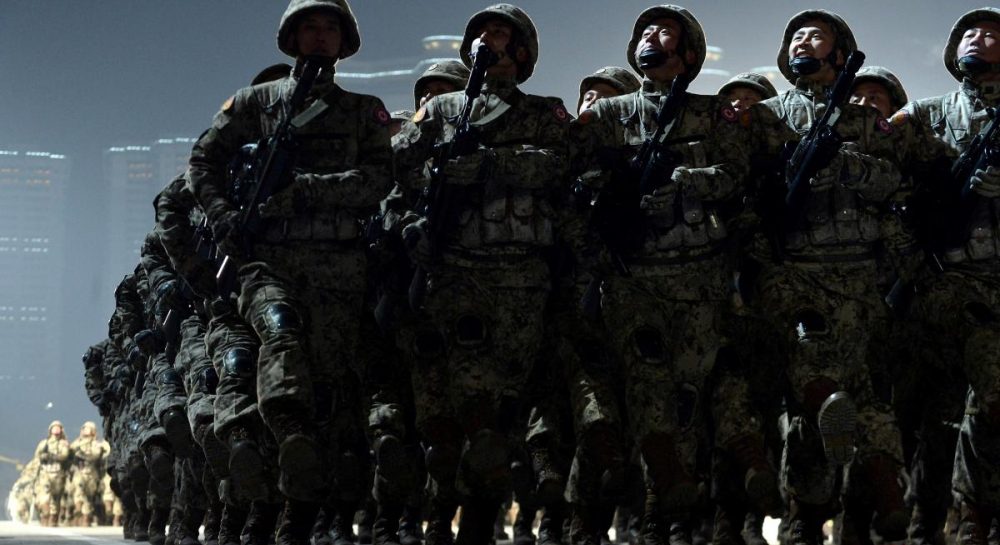
The Economist reports on increased coordination between Russia, China, Iran, and North Korea, creating new challenges for global stability.
 🏛️Politics
Photo: UNIAN
Key points
- Increase in security-related contacts between autocratic regimes.
- Utilizing mutual support to bypass international sanctions.
- Lack of unified command despite high levels of technology sharing.
A New Architecture of Global Confrontation
Analysts at The Economist state that cooperation between Russia, China, Iran, and North Korea has evolved into systematic collaboration. According to the FDD think tank, more than 600 instances of security-related cooperation between these states were recorded between 2019 and 2025, with the intensity of contacts increasing significantly following the start of the full-scale Russian invasion of Ukraine.
Cooperation Dynamics and Limitations
Despite the absence of a formal military alliance similar to NATO, these countries are exchanging technologies, intelligence, and military expertise, helping each other mitigate the impact of international sanctions. Experts note that this alliance is not monolithic: the interests of Beijing and Moscow sometimes diverge, particularly regarding energy stability and oil pricing.
Against this backdrop, changes are occurring in US domestic policy. Defense Secretary Pete Hegseth has implemented restrictions on informal contacts between military personnel and foreign partners, while the Donald Trump administration is prioritizing personal diplomacy with the leaders of these nations, viewing it as an effective containment mechanism.
Source UNIAN — unian.ua/world/rosiya-knr-iran-ta-pivnichna-koreya-stvorili-neforma… ↗
Read next
 🇺🇦Ukraine
Jared Kushner outlines Trump's conditions for security guarantees for Ukraine
Donald Trump's special envoy Jared Kushner stated that the US could provide Ukraine with security guarantees similar to NATO's Article 5 under specific conditions.
 🎭Culture & Sport
National Guard officer becomes a contestant on 'The Voice of Ukraine-14'
Taras Redziy, an officer of the National Guard, successfully passed the blind auditions on the vocal show, joining Natalia Mohylevska's team.
 👥Society
The Secret to Canned Sardines: Why You Should Not Remove the Bones
Nutritionists explain that the small bones in canned sardines are a primary source of calcium, and removing them significantly reduces the nutritional value of the meal.
 🛡️Security
Crimean Bridge suffers critical damage following successful defense operation
Ukrainian forces have conducted a successful operation, resulting in significant damage to the Crimean Bridge and the loss of its transport functionality.
 👥Society
USA initiates negotiations on a new security architecture for Ukraine
US Special Envoy Jared Kushner announced the start of multilateral consultations aimed at ending hostilities and establishing long-term peace.
 ⚽Sport
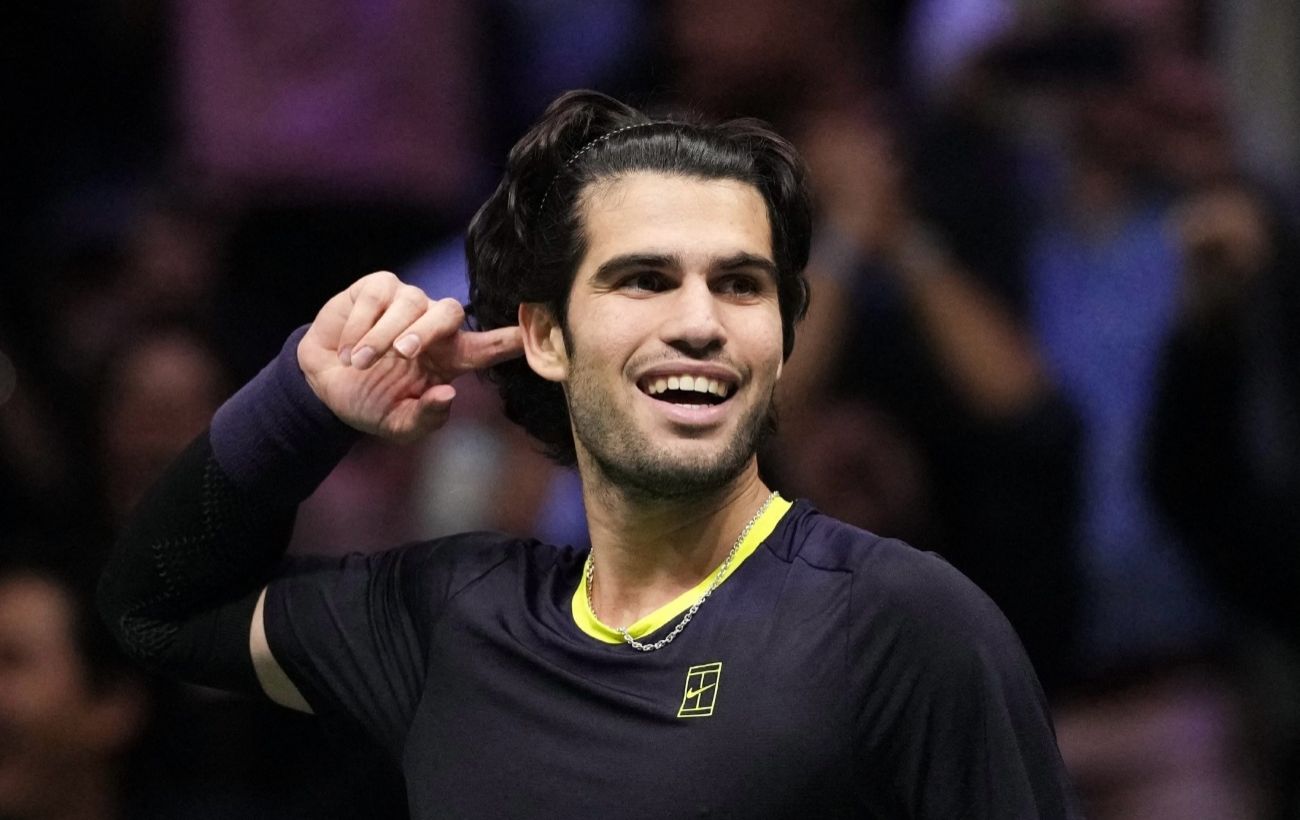
Carlos Alcaraz wins ATP Finals for the first time
Spanish tennis player Carlos Alcaraz claimed his first ATP Finals title in Turin, defeating world number one Alexander Zverev in straight sets.