“City of Seven Gorges”: Archaeological Sensation in Kazakhstan Steppes Reshapes History
Archaeologists have discovered a massive Bronze Age settlement in Kazakhstan covering 140 hectares, featuring advanced metallurgy and complex urban planning previously thought impossible for the region.
 🎓Education
Photo: UNIAN
Key points
- The 140-hectare Semiyarka settlement was discovered in Kazakhstan.
- The city served as a major metallurgical center during the Bronze Age.
- The find refutes the myth that complex urbanism was absent in ancient steppe regions.
An international team of researchers from University College London (UCL), Durham University, and Toraighyrov University has made a landmark discovery in northeastern Kazakhstan. In the vast steppes near the Irtysh River, traces of a massive settlement from the 2nd millennium BCE have been found, named Semiyarka, or the “City of Seven Gorges.” This discovery challenges the traditional view that the first complex urban structures emerged exclusively in the Near East, particularly Mesopotamia.
The settlement is impressive in scale, covering approximately 140 hectares—roughly the size of 200 football fields. Instead of the chaotic layouts typical of nomadic tribes, archaeologists found an organized structure with distinct districts and fortifications. At the heart of the city stood a monumental building, which scientists believe served as a site for rituals or an administrative center for local leaders.
A Metallurgical Hub of the Bronze Age
One of the most significant features of Semiyarka is its role as a major industrial hub. Researchers uncovered undeniable evidence of large-scale production, including melting crucibles, slag, and numerous tin-bronze artifacts. This suggests that local metallurgists managed complex production systems rather than simple small-scale workshops. The city’s proximity to copper and tin deposits in the Altai Mountains made it a key node in trade networks connecting Central Asia with the rest of the continent.
“Semiyarka changes our perception of steppe societies,” emphasized study co-author Dr. Miljana Radivojević.
According to Professor Dan Lawrence of Durham University, the settlement’s structure, with its rectilinear forms, indicates a high level of planning. This confirms that steppe zone communities developed sophisticated social hierarchies and architectural traditions simultaneously with the great civilizations of the ancient world. Geophysical survey methods allowed researchers to see the outlines of earthwork fortifications and economic zones that had remained hidden beneath the soil for millennia.
This find is recognized as one of the most extraordinary in steppe archaeology in recent decades. It demonstrates that the steppe was not merely a transit zone for nomads but a birthplace of powerful proto-cities with their own economies, cultures, and political influence.
Source UNIAN — unian.ua/science/starodavnye-protomisto-v-kazahstani-vono-rozmirom-… ↗
Read next
 🛡️Security
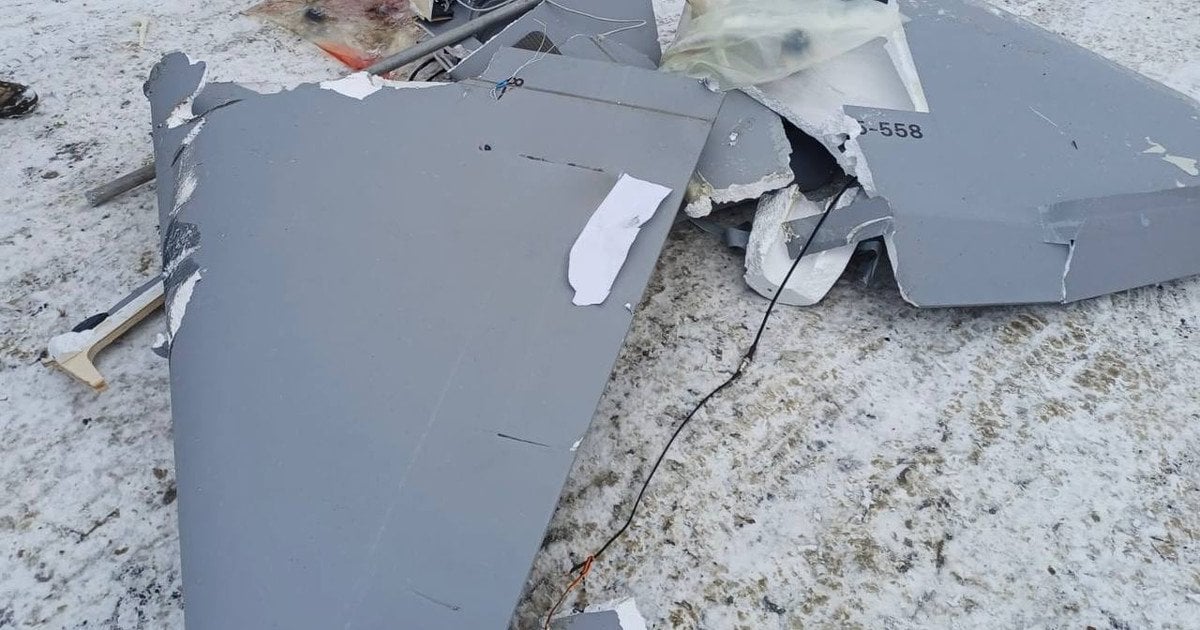
Albania Officially Denies Involvement in Drone Attack on Russian Corvette in Libya
The Ministry of Foreign Affairs of Albania has categorically rejected accusations that its territory was used to launch drones against a Russian naval vessel.
 🧠AI Analysis
Nighttime UAV Attack on Kyiv: Falling Debris Causes Fires and Infrastructure Damage
A hostile drone attack on Kyiv resulted in falling debris across three districts of the capital, setting cars on fire with reports of casualties.
 🧠AI Analysis
Experts Warn of NATO Vulnerabilities Against Potential Aerial Warfare
Former US General Ben Hodges has expressed concern over NATO's readiness for a potential air war with Russia, highlighting critical shortages in air defense ammunition.
 🩺Health
Tuberculosis Outbreak in Schools: Public Health Center Confirms Cases Among Children
An outbreak of tuberculosis has been recorded in Cherkasy, affecting 23 children across 10 educational institutions. Health authorities are conducting epidemiological inv…
 🇺🇦Ukraine
Energy Blow: Last Major Refinery in Southern Russia Halts Operations
A massive 6-hour drone strike disabled the Novoshakhtinsk refinery, contributing to a 45% collapse in Russian oil processing this month.
 🧠AI Analysis
EU Protests to Russia Over Damage to Diplomatic Missions in Kyiv
The European External Action Service summoned a Russian diplomat to protest the damage to EU member states' embassies in Kyiv resulting from Russian attacks.