Russian Forces Actively Deploy New Fiber-Optic Drones: What Makes Them Dangerous
The Russian army has started deploying «Molnia» UAVs controlled via fiber-optic cables along various frontlines. These devices are immune to standard electronic warfare systems.
 🛡️Security
Photo: UNIAN
Key points
- Russian forces are deploying «Molnia» drones with fiber-optic controls.
- The operational range reaches up to 30 km behind the frontline.
- These drones are immune to standard electronic warfare.
- Ukrainian defense units are already adapting to detect and neutralize them.
Over the past few days, Russian forces have increased the deployment of «Molnia» unmanned aerial vehicles equipped with fiber-optic control systems. This information was reported by Serhii Beskrestnov, an advisor on defense technology development.
Features and Threats of the New UAVs
The adversary's new tactic involves launching drones up to 30 kilometers deep into the Ukrainian rear. These devices operate at a relatively low altitude of about 50 meters. The main challenge in countering such drones is the complete absence of a radio signal, making them entirely immune to electronic warfare (EW) countermeasures.
Furthermore, the lack of radio emissions makes it difficult for radar stations to detect them. At the same time, the fiber-optic connection allows the operator to transmit high-quality video and conduct reconnaissance during flight. Despite these technical hurdles, Ukrainian defense units have already demonstrated success in identifying and shooting down such targets.
Context of Military Technology Evolution
The technological race on the frontline requires a continuous adaptation of defense forces to emerging challenges. Earlier, officials also reported on the testing of new jet-powered enemy drones. The introduction of fiber-optic systems highlights the adversary's attempts to bypass Ukrainian electronic defense capabilities.
«The danger of such UAVs lies in the absence of a radio signal for detection and the inability of EW to affect the device», — noted Serhii Beskrestnov.
For residents of rear regions, such updates serve as a reminder of ongoing aerial threats and the importance of following safety protocols during air raids. Although these specific tactical drones are mostly deployed near the frontline, the rapid evolution of military technology affects the overall security landscape across the country.
Source UNIAN — unian.ua/weapons/droni-rf-molniya-stali-nebezpechnishimi-flesh-rozk… ↗
Read next
 🇺🇦Ukraine
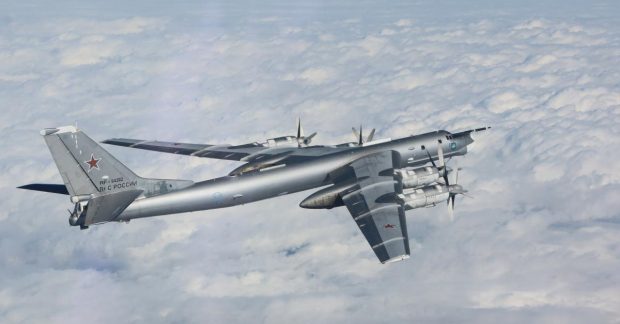
Taiwan Scrambles F-16s as Russian Tu-95 Bombers Enter Air Defense Zone
Two Russian strategic bombers, Tu-95, entered Taiwan's air defense identification zone, prompting the local military to dispatch F-16 fighter jets for tracking.
 🚨Events
Historical Sky Mystery: Cargo Plane Tracked by Gigantic Object
The 1986 incident over Alaska, where an experienced cargo flight crew encountered unexplained maneuvers by unidentified objects, remains a classic case in aviation histor…
 👥Society
Former Shoigu Ally Sentenced to 10 Years in Prison for Large-Scale Corruption in Russia
Ruslan Tsalikov, the former first deputy defense minister of Russia, has been sentenced to 10 years in a strict-regime penal colony.
 🎭Culture & Sport
Ukrainian storks continue their migration to Africa: new data from ornithologists
A group of young storks monitored by Ukrainian scientists is successfully covering thousands of kilometers during their first migration to Africa.
 💡Tech
How to Free Up Smartphone Storage: Useful Tips for WhatsApp Users
The popular messaging app WhatsApp often consumes smartphone storage by duplicating media files directly into the device's gallery. Changing a few simple settings can hel…
 🚨Events
NABU and SAP Chiefs Face Accountability Test Before Parliamentary Commission
Heads of Ukraine's anti-corruption agencies are under pressure to testify on November 23 following serious allegations regarding information leaks and procedural breaches…