Czechia Threatens to Block EU Budget Over €100 Billion Ukraine Aid Package
Czech Prime Minister Andrej Babiš has voiced strong opposition to the proposed 2028-2034 EU budget, citing concerns over Ukraine funding and domestic cuts.
 🏛️Politics
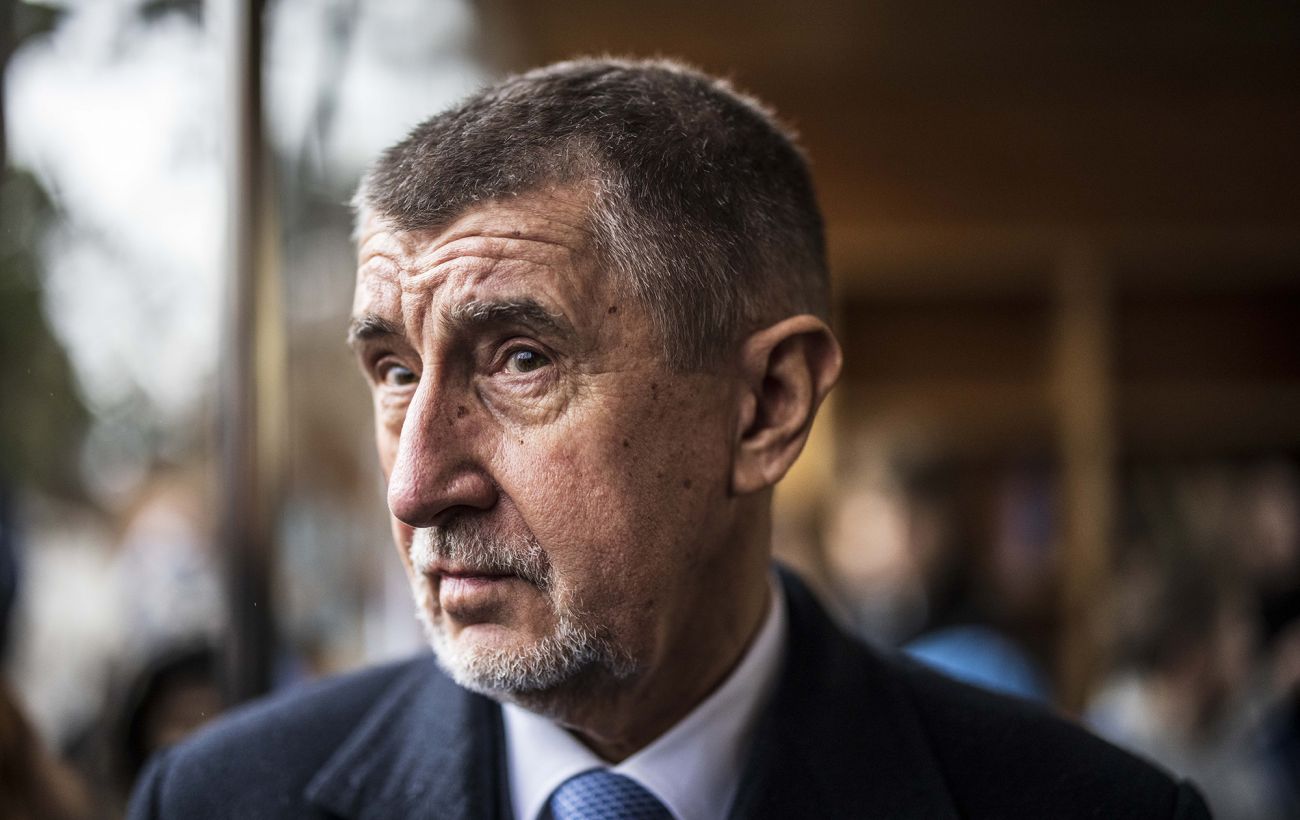
Photo: RBC-Ukraine
Key points
- Andrej Babiš opposes the €100bn Ukraine aid inclusion in the EU budget
- Czechia faces a 7.5 billion CZK reduction in its own EU funding
- EU Council President Antonio Costa seeks a budget compromise by year-end
The negotiation process for the European Union's multi-year financial framework for 2028–2034 has hit a significant roadblock. Czech Prime Minister Andrej Babiš has labeled the current budget proposal unacceptable, specifically targeting the provisions for large-scale financial assistance to Ukraine. This stance complicates the efforts of EU leadership to secure a unified fiscal plan for the coming years.
Prague's Financial Objections
The primary point of contention is the planned allocation of 100 billion euros for Ukraine from the central EU budget. Babiš argues that aid for Kyiv should be managed through external mechanisms rather than the Union's core financial structure. "Why should we give Ukraine money from the European budget? Ukraine should receive money outside the European budget," the Czech leader stated, calling for a fundamental shift in funding strategy.
In addition to the Ukraine issue, the Czech government is protesting proposed cuts to its own funding. The new framework suggests a reduction of 7.5 billion CZK in allocations for Czechia, even as the country's contributions to the EU budget continue to rise. Babiš also criticized the high administrative costs of EU institutions, which are projected to reach 100 billion euros over the seven-year period.
The Search for a Compromise
European Council President Antonio Costa is currently working to balance the competing interests of all 27 member states. His revised proposal already includes a 204 billion euro reduction in total spending compared to the European Commission's initial draft. However, reaching a consensus remains difficult due to differing national priorities.
While Czechia pushes for cuts, German Chancellor Friedrich Merz has expressed a different view. Although he supports overall fiscal discipline, Merz emphasizes the need for stable, long-term financial support for Ukraine. For local communities in Ukraine, such as Voznesensk, the outcome of these high-level negotiations is vital, as international aid remains a cornerstone for future regional stability and reconstruction efforts.
Source RBC-Ukraine — rbc.ua/ukr/news/chehiya-prigrozila-zablokuvati-masshtabnu-179535439… ↗
Read next
 🧠AI Analysis
Black Friday in Ukraine: Top tech categories and shopping highlights
An overview of discounted home appliances and electronics during the seasonal retail sales in Ukraine.
 💼Economy
Metallurgy Crisis Threatens Ukrainian City Budgets and Public Finance System
Declining production in Ukraine's mining and metals sector triggers a sharp drop in tax revenues, threatening the financial stability of industrial communities and the en…
 🛡️Security
Russia launched over four thousand reactive drones and hundreds of missiles in October, says Defense Ministry
Ukrainian Defense Minister Yevhen Khmara reported a dramatic surge in aerial attacks, with Russia deploying record numbers of drones and ballistic missiles in October.
 🧠AI Analysis
Winter is approaching: forecasters warn of sharp cooling, snow and black ice
On November 24, a southern cyclone will hit Ukraine bringing rain, sleet, gusty winds and hazardous road conditions.
 🇺🇦Ukraine
Russia invests billions in Kaliningrad maritime logistics amid NATO tensions
The Russian government has allocated nearly 47 billion rubles for the construction of new rail ferries to connect with the Kaliningrad region.
 🛡️Security
Navy Evaluates Russia’s Ability to Clear Kerch Strait After Bridge Strike
The collapse of the Crimean Bridge arch has blocked a crucial navigation channel. Russia may struggle to lift the heavy wreckage due to a lack of specialized equipment an…