Debt for Energy Protection Exceeds One Billion Hryvnias: Challenges Facing Critical Infrastructure
Companies led by Vladyslav Sokolov completed major infrastructure protection projects in the Kyiv region but accumulated over 1 billion hryvnias in unpaid debts.
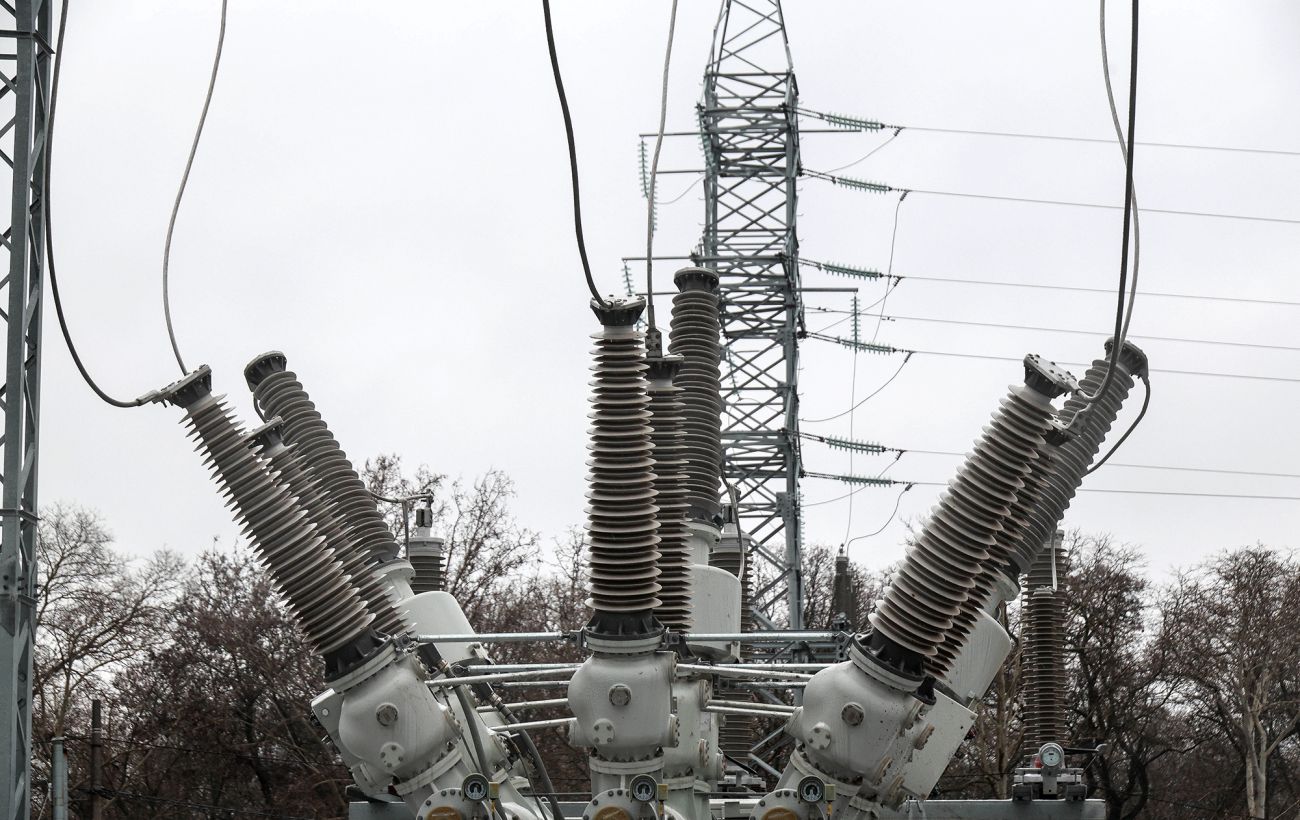 💼Economy
Photo: RBC-Ukraine
Key points
- Debt for Kyiv region energy protection tops 1 billion hryvnias
- Companies had to mortgage personal and business assets
- Works covered 175 critical infrastructure objects
The issue of financing protective structures at the country's critical facilities has drawn significant attention due to contractor financial struggles. Companies owned by businessman Vladyslav Sokolov provided defense for over 170 infrastructure sites in the Kyiv region, yet they have not received full payment for completed works and supplied materials.
Scale of Operations and Growing Financial Burden
According to the businessman, the involved enterprises completed a wide range of tasks, from safeguarding substations and cogeneration units to installing specialized towers for the military and electronic warfare systems. Initially acting merely as metal suppliers, the companies later stepped in to manage construction processes and concrete supply after general contractors failed to maintain proper work paces.
However, the financial strain proved overwhelming. Total debts are estimated to exceed one billion hryvnias. To sustain operations, the businesses used internal funds, bank loans, and private borrowings, resulting in company offices, residential properties, and vehicles being placed under bank collateral.
Implications for National Security and Regional Resilience
"Absolutely everything is mortgaged. The volume of outstanding loans today amounts to about 100 million hryvnias," Vladyslav Sokolov noted while describing the critical situation of his enterprise.
For residents of Voznesensk and other Ukrainian communities, such news highlights the complexities involved in reinforcing critical systems during wartime. Delays in funding strategic construction projects can slow down nationwide efforts to secure the energy grid. Ultimately, the resilience of the nation's energy infrastructure directly impacts the socioeconomic stability and safety of every local municipality.
Source RBC-Ukraine — rbc.ua/ukr/news/borg-budivnitstvo-zahistu-energoob-ektiv-1795424048… ↗
Read next
 🛡️Security
Robotic systems on the frontline: Will UGVs replace armored vehicles
Leading Ukrainian manufacturers of unmanned ground vehicles state that UGVs will not completely replace armored cars on the frontline. Their primary role is to redistribu…
 🛡️Security
Russian Submarines Enter Open Sea for Missile Strike for First Time in Six Months — Navy
During a recent massive attack, Russian forces deployed Black Sea Fleet submarines that had been hiding in Novorossiysk for six months. The submarines had to leave their …
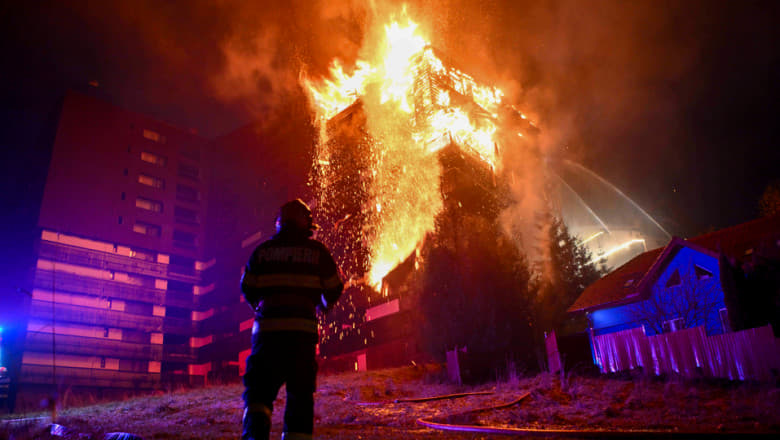 🚨Events
Major Fire Breaks Out at Romanian Resort Hotel, 150 Evacuated
A serious fire at a hotel in a popular Romanian resort area prompted emergency services to evacuate about 150 people safely.
 🚌Transport
Ukraine’s EU Integration Path: Why Reforms on Paper Often Fail in Reality
The latest European Commission report highlights a persistent gap between adopted EU-integration laws and their practical implementation.
 🚨Events
Western Intelligence Warns of Risk of Russia Deploying Nuclear Weapons in Space
NATO intelligence services warn that Russia is preparing to launch the 'Sputnik-S' satellite equipped with a nuclear warhead into orbit.
 🚨Events
Novoshakhtinsk Oil Refinery Attacked in Russia's Rostov Region
On the night of November 23, strike drones attacked the Novoshakhtinsk Oil Refinery in Russia's Rostov region, causing a fire at the facility.