Ukraine’s EU Integration Path: Why Reforms on Paper Often Fail in Reality
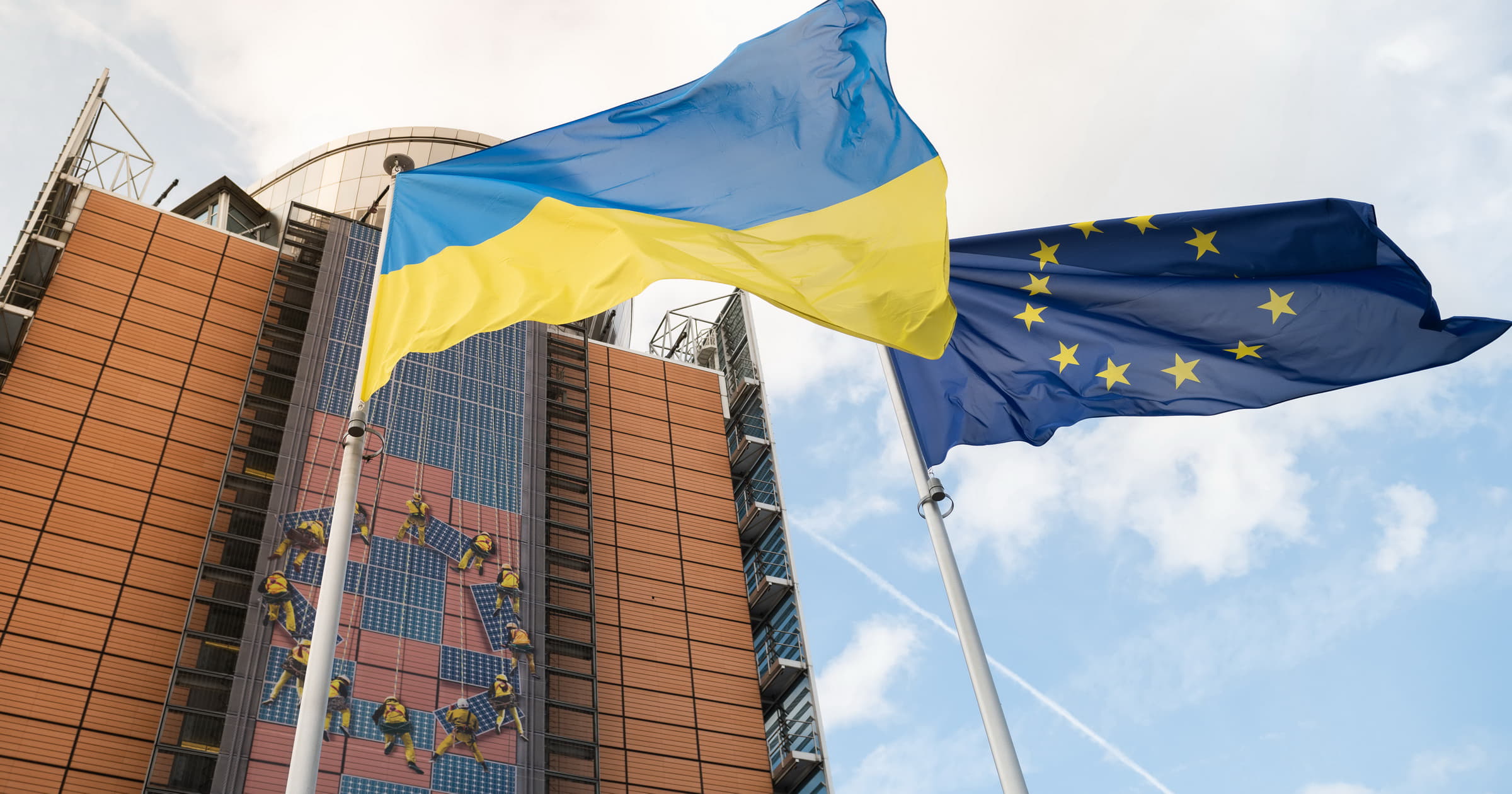
The latest European Commission report highlights a persistent gap between adopted EU-integration laws and their practical implementation.
 🚌Transport
Photo: Ukrainska Pravda
Key points
- European Commission highlights partial fulfillment of previous recommendations
- Specialized administrative courts established in 2025 remain non-functional
- Waste management reform faces prolonged delays due to missing secondary legislation
- Experts stress the importance of involving field practitioners in lawmaking
The European Commission has published its latest report on Ukraine's European integration progress, pointing out that previous recommendations remain only partially fulfilled. Despite significant efforts in drafting legislation and engaging international experts, the overall quality of state decisions remains problematic. Experts emphasize that systemic difficulties arise due to a lack of workable mechanisms for enforcing laws in real life.
Delays in Law Enforcement and Waste Management
A telling example of the disconnect between legislation and reality is the waste management reform launched during the full-scale war. Although the core law entered into force back in the summer of 2023, the necessary secondary legislation and procedures are still being prepared. A similar situation involves specialized administrative courts created in 2025, which are still non-operational due to a lack of appointed judges, funding, and administrative setup.
For residents of Ukrainian communities, such delays mean that expected improvements are postponed indefinitely. When the state introduces new rules without ensuring technical capacities, financing, and human resources, the burden falls directly on citizens, businesses, and local authorities. As a result, time and resources are wasted on overcoming procedural gaps rather than achieving the intended environmental or social outcomes.
The Need for Practical Expertise
To prevent such missteps in the future, policymakers should involve practitioners—business owners, lawyers, engineers, and local officials—during the drafting stage. These are the people who will actually apply the rules and can warn authorities in advance if a mechanism is unviable. Without testing the readiness of the entire system before implementation, European integration risks becoming a formality rather than delivering tangible improvements.
Source Ukrainska Pravda — pravda.com.ua/columns/2026/11/23/8064137/ ↗
Read next
 💼Economy
How to protect winter onions and garlic in Voznesensk from snowless winters: agronomists' advice
Ukrainian agricultural experts have shared recommendations on mulching winter crops. Proper protection of garden beds will help preserve the harvest of onions and garlic …
 🚨Events
Western Intelligence Warns of Risk of Russia Deploying Nuclear Weapons in Space
NATO intelligence services warn that Russia is preparing to launch the 'Sputnik-S' satellite equipped with a nuclear warhead into orbit.
 🚨Events
Novoshakhtinsk Oil Refinery Attacked in Russia's Rostov Region
On the night of November 23, strike drones attacked the Novoshakhtinsk Oil Refinery in Russia's Rostov region, causing a fire at the facility.
 🚨Events
Technological Dead End: Why Russian Military Aviation Relies Solely on Soviet Reserves
Russian strategic aviation faces a deep manufacturing crisis and catastrophic resource depletion due to the loss of Soviet technological chains.
 🧠AI Analysis
Finland Considers Building Border Fortifications with Russia Inspired by Ukraine's Experience
Finnish lawmakers propose constructing tank barriers and defensive structures along the Russian border during peacetime, drawing lessons from the war in Ukraine.
 🛡️Security
Rescue operation in Dymer: death toll rises as elderly woman is saved
Emergency crews in Dymer successfully rescued a 79-year-old woman from the rubble, though the death toll from the Russian strike has climbed to nine.